
Not all ERVs are created equal.
Choose RenewAire.
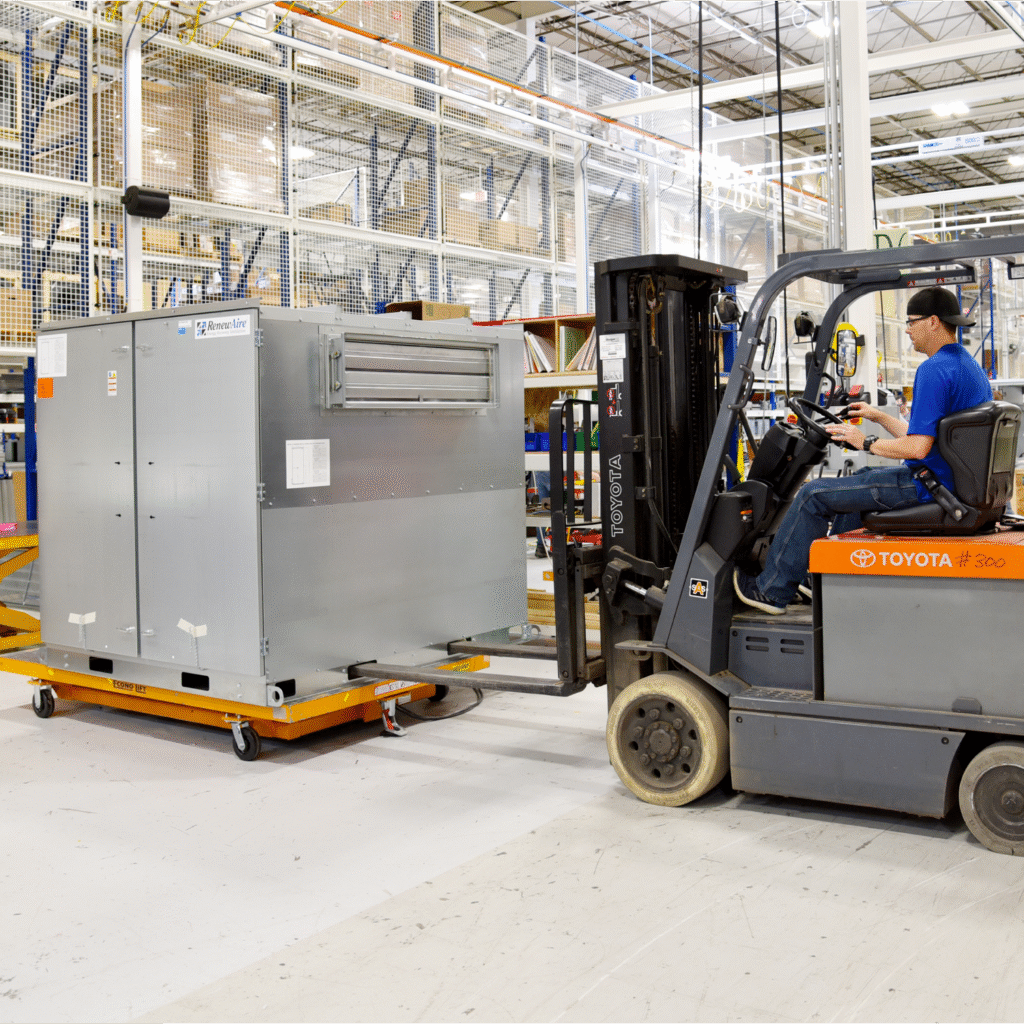
Why Choose RenewAire ERVs
As North America’s first static-plate ERV manufacturer, we are proud to be industry leaders in the HVAC community. For more than 40 years, RenewAire energy recovery ventilators (ERVs) and dedicated outdoor air systems (DOAS) have been recognized for their ease of use, reliability, and energy savings.
Based in Madison, Wisconsin, we’re committed to sustainability and environmentalism (our facility has three Green Globes, LEED Gold, and ENERGY STAR certifications).
Benefits of Energy Recovery Ventilators (ERVs)

Save Energy and Lower Costs
RenewAire ERVs recycle energy by reusing the otherwise-wasted energy and humidity from exhaust air to temper incoming outdoor air, which saves money year after year by lowering demand/load on your mechanical AC/heating equipment up to 70%.
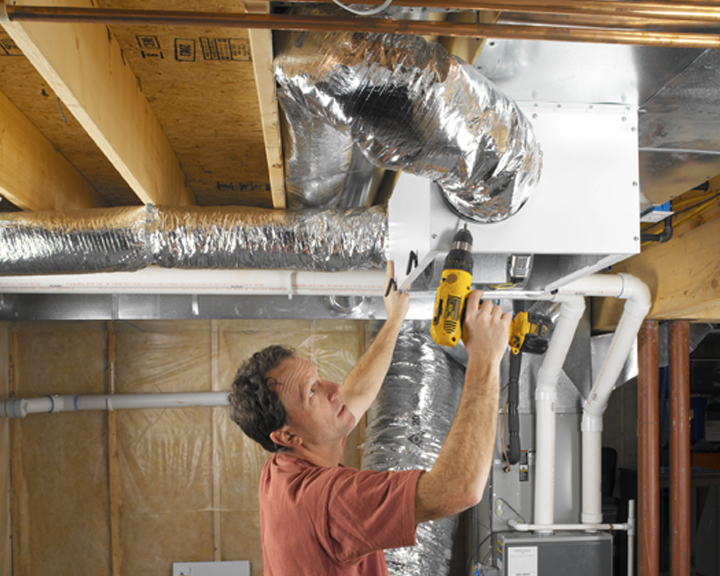
Easy to Install
ERVs can be mounted in multiple orientations and they do not require drain pans. They also utilize a single exhaust point, reducing the need for multiple exhaust fans. Maintenance involves routine filter checks and occasional core vacuuming.
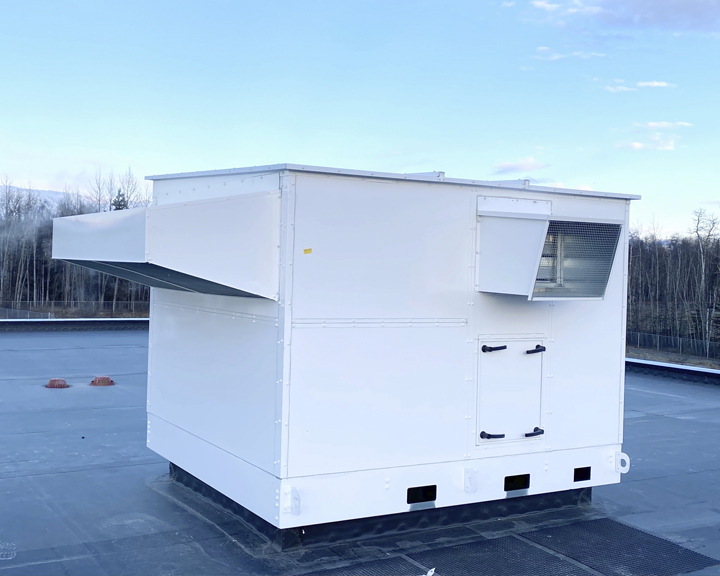
Work in Any Climate
RenewAire ERVs are designed to work across a wide range of climates, including hot, humid, and subzero environments. Additionally, ERVs do not have issues with freezing in winter conditions (which can be problematic for heat recovery ventilators or HRVs).
RenewAire ERVs are the preferred ventilation solution for a variety of reasons. Our systems:
Optimize Energy Efficiency: By recovering otherwise-wasted total energy to precondition outdoor air that is coming inside, our ERVs can save up to 70% on ventilation energy costs. How? During the winter months, cold, dry outside air is preheated and humidified by the outgoing warm interior air. Conversely, in the summertime, the warm incoming air is pre-cooled and dehumidified by the cool, exiting exhaust air.
Bring in the Highest-Quality Indoor Air: Our energy recovery ventilators replace stale indoor air with fresh, conditioned, and filtered air from the outside.
Offer the Best Value: With a relatively short payback and high rate of return, RenewAire ERVs generate significant savings. Plus, they're known for their reliable operation. Our built-to-last ERVs have lifespans of 25+ years and operate consistently year-round in every climate.
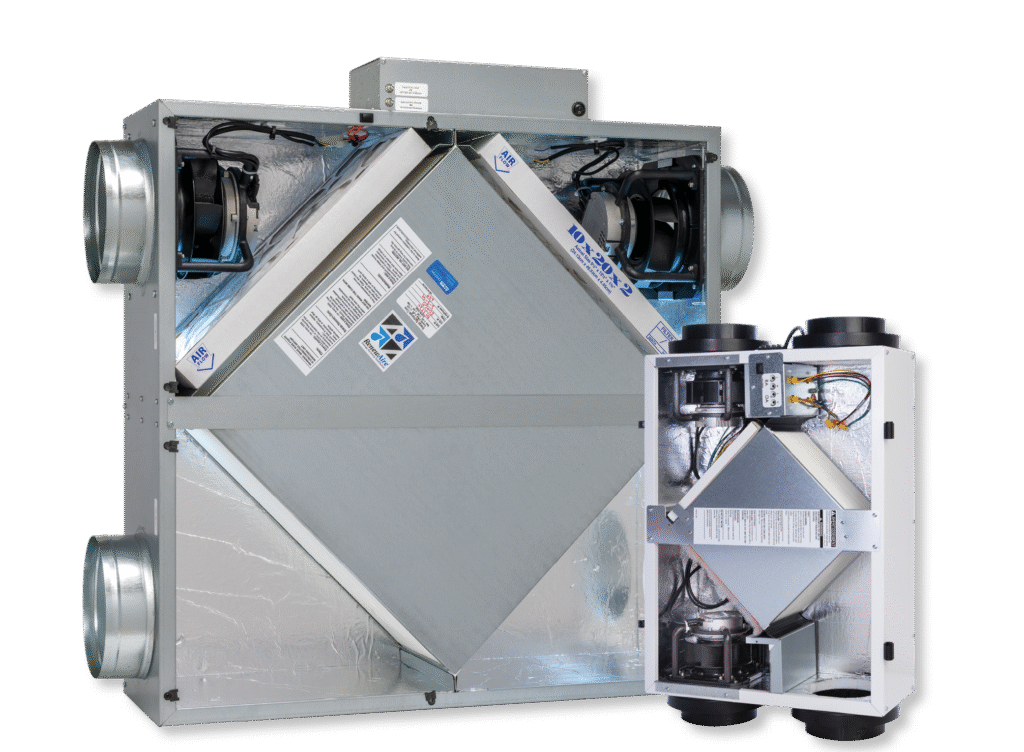
How to Find the Right ERV
From Alaska to Florida (and everywhere in between), RenewAire ERVs and DOAS units operate in every climate. And, since our project lines are so diverse, we have ventilation solutions for every type of building.
Below are a list of factors to consider when searching for an ERV or DOAS unit.
1. Airflow/capacity (CFM)
Determine how much outdoor air ventilation your space needs (per your building code, standards like ASHRAE 62.2 or 62.1, or local HVAC specs).
Make sure your chosen unit handles the required CFM with good efficiency and acceptable static pressure.
For homes, calculate the minimum ventilation required for your home: .03 x sq. ft. + 7.5(bedroom +1). For example, a 2,200 sq. ft. home with four bedrooms requires a minimum of 104 CFM.
2. Efficiency/core and performance
Look for an ERV with a well-designed energy-exchange core (for both sensible and latent heat/humidity transfer). Our static-plate, cross-flow core separates the outgoing, polluted indoor airstream from the incoming fresh airstream—while simultaneously transferring total energy (heat and water vapor) between the two. Airstreams do not mix, and pollutants are not transferred across partition plates.
Filter quality, motor efficiency, and low leakage also matter (so you don’t lose the energy you’re recovering).
3. Climate & installation conditions
Consider climate: Hot, humid, or sub-zero extreme environments add a heavy load onto home heating and cooling systems. Because RenewAire ERVs temper the air (temperature and humidity) via energy recovery, they work well in all climates.
4. Ducting, static pressure & physical fit
Check your duct sizing, the static pressure in your system, and how the ERV will integrate with your existing HVAC (if retrofitting).
Physical dimensions: make sure it fits the available space, has clearance for service, and that filters can be changed easily.
Orientation flexibility (wall, ceiling, horizontal) is a plus.