
Navigating Salon Ventilation Systems: Achieving Code Compliance & High ACH Affordably
Clear salon odors, comply with ventilation standards, and save up to 70% on HVAC costs.
Beyond the Blowout: The Chemical Realities of Salon Air
While all poorly ventilated buildings can cause occupant sickness, beauty salons, barbershops, and day spas have unique indoor air quality (IAQ) challenges. Because cosmetic and grooming treatments require the constant use of diverse chemical products, these environments often trap in contaminants and pollutants.
Consequently, poor IAQ can have detrimental effects on health and wellness for both salon staff and clients. Additionally, IAQ can directly impact productivity and cognitive function.
The Indoor Environment: Common Salon Pollutants
Cosmetic formulas, chemical straighteners, and styling processes emit a wide range of carcinogenic air pollutants, including benzene, formaldehyde, and acetaldehyde. They also release other volatile organic compounds (VOCs) like ethylbenzene and xylene.
Investigations by The New York Times and safety standards from OSHA identify several primary contaminants responsible for the most significant health risks in beauty and grooming environments. Specifically, they highlight these four major hazards:
Toluene: This known neurotoxin helps nail polish glide smoothly. OSHA warns that exposure causes headaches, dizziness, and numbness. Chronic exposure is linked to liver damage, kidney damage, and developmental harm.
Dibutyl Phthalate (DBP): Added to nail formulas to increase flexibility, this chemical is directly linked to developmental defects and reproductive health complications.
Formaldehyde: This common hardening agent is a known carcinogen. As a result, it can cause severe respiratory distress and long-term illness.
PM2.5 (Fine Particulate Matter): Constant nail filing, hair clipping, and aggressive thermal treatments create sub-micron particles. Unfortunately, these microscopic particles penetrate deep into the lungs and impair respiratory function.
The Compliance Challenge: High ACH Demands and Zonal Profiles
To effectively dilute lingering styling odors and protect occupant health, industry experts and building codes recommend exceptionally high ventilation rates. Most local jurisdictions require professional beauty, grooming, and spa environments to maintain an aggressive baseline of 8 to 14 air changes/hour (ACH) to clear away chemical vapors.
However, achieving this high air-exchange volume introduces a severe operational dilemma. Traditional HVAC systems are completely unequipped to handle high-ACH demands safely or affordably:
The Recirculation Trap: Standard rooftop and split HVAC systems rely heavily on recirculating air within the building envelope to regulate indoor temperatures. For a salon or barbershop, this means the mechanical system simply redistributes lingering styling odors and chemical pollutants from station to station.
The Energy Penalty: Simply pulling in massive volumes of unconditioned outdoor air through traditional exhaust fans forces heating and cooling plants to run constantly. This open-loop ventilation completely destroys a salon’s monthly operating budget.
ASHRAE 62.1 Prescriptive Airflow Rates for Salons & Spas
To understand the scope of these requirements, engineers and contractors look to the multi-zone prescriptive rates established by ASHRAE Standard 62.1-2022 (Ventilation for Acceptable Indoor Air Quality). These figures highlight the exact imbalance between high-occupancy styling floors and low-occupancy support spaces:
| Occupancy Category | People Rate (Rp) CFM/Person | Area Rate (Ra) CFM/ft² | Default Occupant Density People/1,000 ft² | Max CO2 Above Ambient PPM |
|---|---|---|---|---|
| Beauty and Nail Salons | 20 | 0.12 | 25 | NA* |
| Barbershops | 7.5 | 0.06 | 25 | 600 |
| Main Entry Lobbies / Reception | 5 | 0.06 | 10 | 600 |
| Break Rooms | 5 | 0.06 | 25 | 600 |
* Note on DCV Compliance Application:
Spaces marked “NA” cannot use CO₂-based Demand Controlled Ventilation (DCV). Per explicit ASHRAE guidelines, CO₂ tracking is entirely inapplicable on professional beauty and nail salon styling floors. Because these spaces generate non-human contaminant loads—specifically heavy solvent evaporation, volatile chemicals, and sub-micron particulate dust—modulating ventilation based purely on occupant counts is a severe code violation.
Under Section 6.2.6.1.3, salon environments must continuously maintain full design outdoor airflow rates without modulation during all operating hours. To protect a business owner’s operating budget, these high-flow zones require specialized energy recovery to handle the continuous heating and cooling loads of 100% fresh outdoor air. All data is derived ANSI/ASHRAE Addendum ab to ANSI/ASHRAE Standard 62.1-2022.
Key Benefits of RenewAire ERVs in Salons & Spas
Physically Remove Chemical Fumes and Odors
Standard HVAC systems often recirculate indoor air. Unfortunately, this traps styling odors and causes Sick Building Syndrome (SBS). As detailed in our comprehensive guide on “Nail Salon Ventilation and IAQ Challenges,” salon environments suffer from a heavy build-up of internally generated contaminants. To eliminate gaseous toxins like toluene and formaldehyde that filters alone cannot catch, air must be physically replaced. Therefore, a balanced, 100% outdoor air exchange strategy is essential.
Eliminate Cross-Contamination with Zonal Pressure Control
Heavy chemical vapors from nail stations or aerosolized mists from thermal hair straighteners should never drift into your retail space. Fortunately, RenewAire ERVs allow engineers to design a “Front-to-Back” pressure strategy. This approach maintains main entry lobbies and reception areas at a slight positive pressure. At the same time, it keeps high-exposure styling floors at a negative pressure. As a result, chemical loads are exhausted directly outside instead of leaking into clean client zones.
The Layered IAQ Approach
Modern commercial safety requires a multi-step strategy. In accordance with the engineering principles outlined in our technical brief on a “Layered Approach to Ventilation and Filtration,” maximum protection is achieved by combining advanced filtration with mechanical air exchange. While integrated filters trap physical clipping fibers, hair dander, and fine nail filings, the RenewAire static-plate core permanently exhausts the airborne VOCs and biological loads.
Optimize Humidity and Comfort
High moisture from washing sinks, color processing, and aesthetician steaming can quickly make salon air feel heavy. Additionally, excess moisture encourages deep structural mold growth. To solve this, RenewAire technology manages both sensible temperature and latent energy (moisture). By stabilizing indoor relative humidity, it maintains a premium, fresh, and luxurious wellness environment.
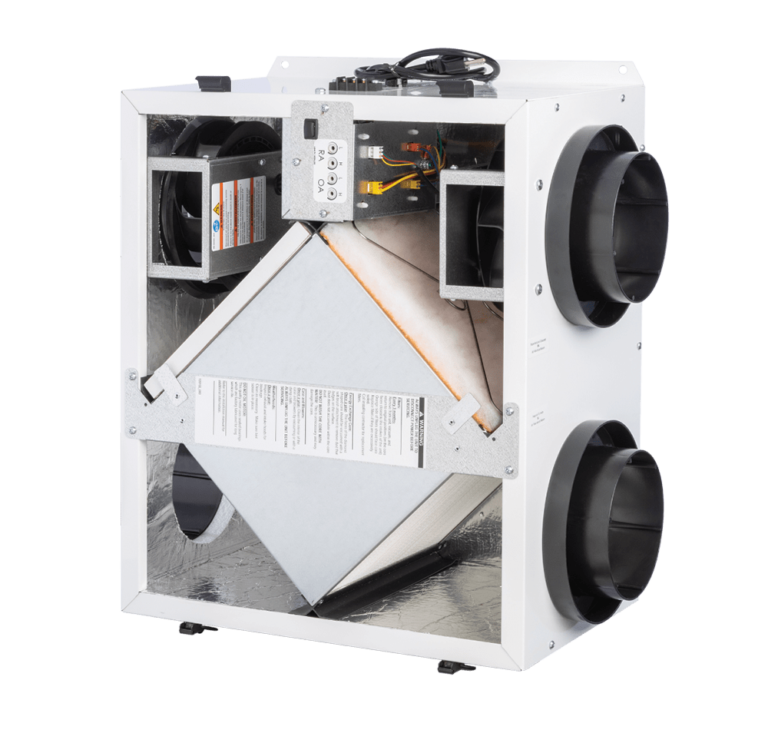
RenewAire EV Premium M
The RenewAire EV Premium M ERV is the ideal ventilation solution for boutique salons, barbershops, and day spas. It offers professional-grade engineering in a compact, versatile package designed to fit seamlessly into existing indoor footprints.
Precision Airflow Range: Delivering a highly efficient 30–225 CFM, it is perfectly sized to provide balanced, continuous air changes for multi-station layouts.
Boost-Mode Capability: Utilizing advanced integrated controls, operators can instantly trigger maximum ventilation speed during high-exposure chemical services (like keratin smoothing treatments or full acrylic nail sets).
Superior-Grade Filtration: Optional factory-designed MERV 13 filters remove fine sub-micron particulates, hair clippings, and ambient allergens before they can settle on the styling floor.
Quiet & Reliable Operation: Engineered with high-efficiency EC motorized impellers, this unit operates quietly behind the scenes so it never interrupts a relaxing client service or consultation.
Flexible Installation: Space is at a premium on a styling floor, and this unit is designed to adapt. It weighs only 36 lbs., and can be safely mounted in any orientation—whether hidden above dropped ceilings, in a utility closet, or back-of-house.
Industry-Leading Warranty: Every RenewAire ERV comes with an industry-leading 10-year warranty on our static-plate core. And, commercial ERVs have a 2-year commercial parts warranty while residential systems feature a 5-year parts warranty.
Proven Success: Renaissance Salon & Day Spa
When Renaissance Salon & Spa expanded, strict local building codes required high-volume outdoor air exchange to combat heavy chemical vapors. However, traditional ventilation threatened to send their monthly utility costs sky-high.
To solve this, the engineering team installed a dedicated energy recovery strategy using a RenewAire EV200, EV450IN, and HE900IN. Together, these units delivered 900 CFM of continuous, fresh outdoor air directly to high-exposure zones without overloading the primary HVAC infrastructure.
By recycling the energy of their indoor air, they completely bypassed the feared “energy penalty.” The operational payoff was immediate and measurable:
- Winter Savings: Shaved 56,000 BTU/hr off the salon’s heating loads.
- Summer Savings: Slashed 1.5 tons from the day spa’s total cooling load.
Salon Downloads: Case Studies, Videos, and Technical Resources
Case Studies
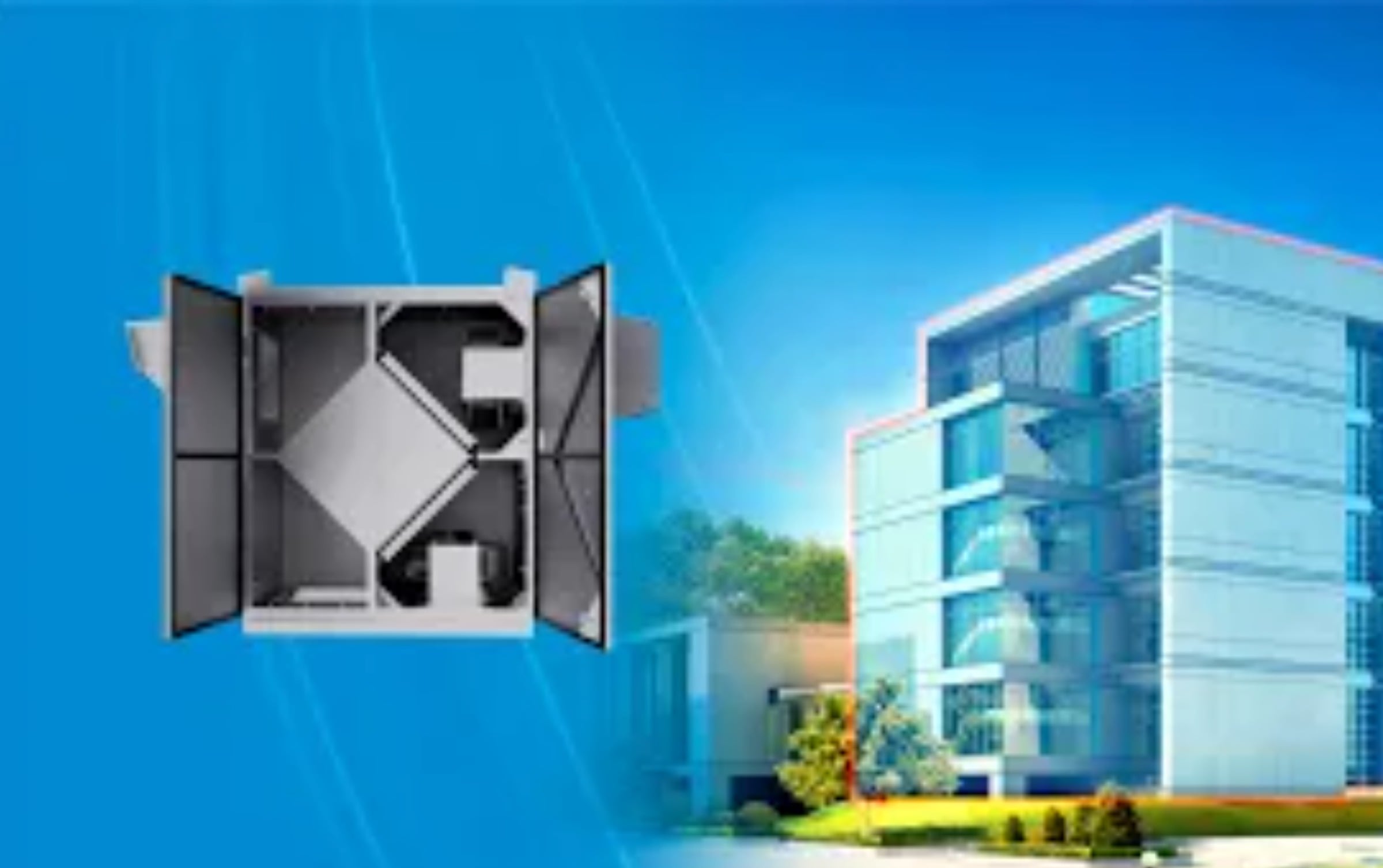
Prioritizing healthier indoor air, the Renaissance Salon and Day Spa installed RenewAire ERVs for an energy-efficient and cost-effective ventilation strategy.
Blog Posts
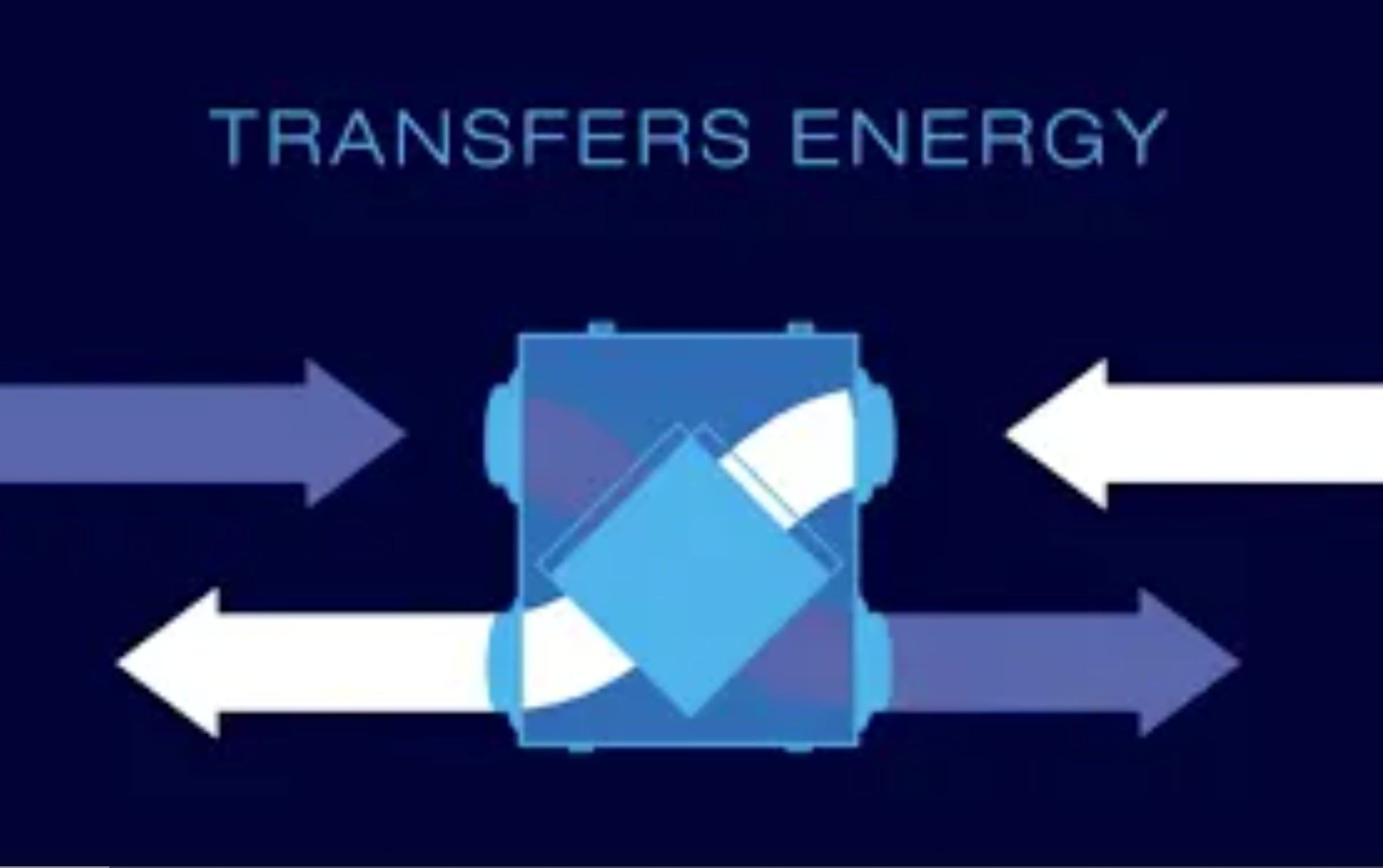
See how specifying compact RenewAire ERVs helps salons meet strict building codes, filter styling dust, and reduce energy costs through advanced static-plate technology.
Balancing strict air quality standards with skyrocketing utilities presents a major operational challenge for salons. Discover how RenewAire ERVs can help.
White Papers
Protect patients and staff from the “Pathogen Soup.” Learn why standard HVAC systems often fail in high-density environments and how 100% fresh-air exchange can transform your animal care facility.
Bringing Hospital-Grade Safety to Animal Care. Hospitals face extreme risks from deficient IAQ due to high occupant density and airborne pathogens. Download this white paper to learn how the same ventilation strategies used in human surgical suites can protect your veterinary facility from cross-contamination and “pathogen soup.”
Don’t let efficiency compromise health. Advanced weather-stripping and spray-foam insulation save money by keeping the elements out—but they also keep contaminants in. Discover how to balance a high-performance building envelope with 100% fresh-air exchange in this detailed white paper.
Ready to install an ERV at your facility?
Our Technical Sales Support team is here to answer any additional questions you might have about installing an EV Premium M ERV in your building or to assist you in finding the RenewAire Representative in your area.
Frequently Asked Questions (FAQs)
What indoor air quality (IAQ) problems exist in beauty and nail salons?
Nail and hair salons face severe indoor air quality challenges due to a heavy build-up of chemical vapors, fine physical dust, and high moisture levels.
All commercial buildings must manage standard airborne hazards like pathogens, particulate matter (PM2.5), and carbon dioxide. However, spa/salon environments generate unique, highly concentrated, and aggressive contaminant loads that far exceed typical office baselines. Understanding these distinct threats is the first step toward creating a safer workspace.
Chemical Vapors (VOCs): Volatile organic compounds like toluene, formaldehyde, and acetone constantly off-gas from nail polishes, acrylic sets, and hair straighteners. Because standard filtration cannot trap these gaseous toxins, they quickly accumulate in the styling breathing zone.
Particulate Matter: Constant nail filing, hair clipping, and product spraying release sub-micron dust and aerosolized mists into the air. Consequently, these microscopic particles settle onto surfaces and can easily irritate the respiratory systems of stylists and clients.
Excess Humidity: Running continuous loads of towel laundry, operating hair-washing sinks, and using aesthetician steamers pumps massive amounts of moisture into the air. Therefore, without proper management, this high humidity can cause the space to feel stuffy and encourage hidden mold growth.
What are the baseline ventilation code requirements for beauty salons and day spas?
Modern building codes require commercial salon spaces to maintain significantly higher fresh outdoor air rates and dedicated exhaust minimums than standard retail spaces.
To keep stylists and clients safe from continuous chemical exposure, mechanical engineers must follow strict design thresholds. Fortunately, these prescriptive requirements are clearly mapped out by industry oversight groups.
The table below outlines the baseline breathing zone ventilation rates required under ASHRAE Standard 62.1 (Table 6-1) and Chapter 4 of the International Mechanical Code (IMC):
| Space Category | People Outdoor Air Rate (Rp) | Area Outdoor Air Rate (Ra) | Special Code Mandates & Exhaust Requirements |
|---|---|---|---|
| Standard Retail Sales | 7.5 CFM / person | 0.12 CFM / sq ft | Standard recirculating HVAC system; no specialized local exhaust required. |
| Barbershops | 7.5 CFM / person | 0.06 CFM / sq ft | Increased fresh air exchange; standard occupant density baselines apply. |
| Beauty & Nail Salons | 20 CFM / person | 0.12 CFM / sq ft | IMC Footnote H: Requires a dedicated source-capture exhaust system pulling a minimum of 50 CFM per manicure/pedicure station directly to the outdoors. |
Therefore, designing a system to handle these high-volume outdoor air rates can dramatically increase your building’s energy load. Consequently, opting for balanced ventilation with energy recovery is the most effective way to meet these strict airflow targets. The ventilation strategy recycles the heating and cooling energy from your exhaust airstream to temper the incoming outdoor air. As a result, you can easily satisfy local code officials, drastically lower your utility bills, and ensure a safe, odor-free breathing zone for everyone on the styling floor.
How do nail salon exhaust systems help meet OSHA and local ventilation codes?
Nail salons require dedicated exhaust and ventilation systems to capture chemical vapors and nail dust directly at the source, preventing them from accumulating in the breathing zone. This strategy aligns with OSHA guidelines recommending ventilation systems over personal protective equipment to minimize workplace hazards. It also satisfies baseline requirements from the IMC and ASHRAE.
Continuous outdoor air exchange often increases utility expenses, making energy recovery a financial necessity. Implementing RenewAire energy recovery ventilators (ERVs) resolves this issue. Our systems reduce total ventilation loads by 70 percent, delivering significant annual energy savings for salon owners.
How do building codes handle Demand Controlled Ventilation (DCV) in salon environments?
Building codes require continuous, full-volume ventilation in salon spaces during all occupied hours to ensure proper contaminant removal.
In standard commercial buildings, mechanical systems can use CO₂ sensors to turn ventilation down when a room is empty. However, professional beauty, barber, and nail salons generate unique “non-human” contaminant loads. These hazards include chemical solvent evaporation, styling mists, and sub-micron dust.
Because these pollutants off-gas constantly regardless of occupant counts, modulating fresh air based purely on people inside is a severe safety hazard. Therefore, under ASHRAE Standard 62.1 Section 6.2.6.1.3, these environments must maintain 100% of their design outdoor airflow rate without modulation.
Energy recovery ventilation is the best way to balance high ventilation requirements with energy savings. RenewAire ERVs reuse otherwise-wasted energy from the exhaust airstream to temper the incoming outdoor air. This simple action translates directly into massive energy savings.
Compliance Reference: To review multi-zone occupancy calculations and official engineering commentary regarding non-human contaminant boundaries, refer directly to the ASHRAE Standard 62.1 User’s Manual.
Are portable air purifiers an acceptable substitute for dedicated HVAC exhaust systems?
Portable air purifiers cannot replace mechanical HVAC exhaust systems because building codes require a continuous supply of fresh outdoor air.
Standalone air purifiers equipped with carbon filters do a great job of reducing ambient dust and catching basic styling odors. However, local building codes mandate that salon environments physically flush out chemical vapors by exchanging indoor air with fresh outdoor air. Because standard air purifiers only recirculate the existing room air, they do not bring in any fresh air. Additionally, they cannot dilute the heavy accumulation of carbon dioxide and toxic volatile organic compounds (VOCs).
Ventilating with a RenewAire ERV and pairing it with a MERV filtration is an effective strategy. The ERV permanently exhausts airborne contaminants while bringing in tempered, fresh outdoor air.
How can salons manage the high humidity caused by hair-washing sinks, styling processes, and laundry?
The most effective way to manage continuous moisture loads is by installing a mechanical ventilation system equipped with a total energy exchange core.
High humidity from washing sinks, aesthetician steaming, and constant towel laundry can quickly make salon air feel heavy and uncomfortable. Fortunately, an energy recovery ventilator (ERV) handles this by transferring water vapor molecules between the incoming and outgoing airstreams before the air enters the room. During humid months, the incoming outdoor moisture is captured and rejected back outside.
As a result, this continuous process stabilizes indoor relative humidity and prevents deep structural mold growth. Additionally, keeping moisture under control protects your building envelope and creates a premium, fresh, and luxurious wellness environment for your clients.