
Why Indoor Air Quality Matters for School Success
Maximize Classroom Air Changes Without the Energy Penalty
Poor Indoor Air Quality in Schools: A Critical Threat to Learning
In schools, indoor air quality (IAQ) plays a critical and often overlooked role in student well-being. Deficient IAQ can harm students and staff health as indoor air can be two to five times more polluted than outdoor air. This is especially concerning because the average student spends about 1,300 hours inside a school each year, while school staff spend even longer. Poor IAQ can lead to the spread of airborne viruses and pathogens, cognitive impairment, lower test scores, increased absenteeism, and building issues.
How Different School Spaces Drive Code‑Required Ventilation Rates
Diverse school spaces—from gyms to libraries—drive vastly different ventilation demands. A single ventilation rate fails to support an entire building because every room serves a unique purpose. Instead, ventilation rates must adjust based on occupant density and specific room activities to effectively maintain indoor air quality.
Designing to ASHRAE Standard 62.1 Compliance
To determine required outdoor airflow, engineering best practices recommend following ASHRAE Standard 62.1. This industry benchmark establishes minimum ventilation rates to maintain healthy indoor air quality within the different learning spaces. HVAC systems must be designed and operated to meet these prescriptive airflow guidelines.
ASHRAE 62.1 Prescriptive Airflow Rates (K-12 Benchmark)
| Occupancy Category | People Rate (Rp) CFM/Person | Area Rate (Ra) CFM/ft² | Default Occupant Density (People/1,000 ft²) | Max CO2 Above Ambient ΔCb.1 (ppm) |
|---|---|---|---|---|
| Classrooms and Labs | ||||
| Classrooms (age 5–8) | 10 | 0.12 | 25 | 600 |
| Classrooms (age 9 plus) | 10 | 0.12 | 35 | 600 |
| Science laboratories | 10 | 0.18 | 25 | NA* |
| Athletics and Assembly | ||||
| Gym, sports arena (play area) | 20 | 0.18 | 7 | 900 |
| Weight rooms | 20 | 0.06 | 10 | 1,500 |
| Multiuse assembly | 7.5 | 0.06 | 100 | 1,200 |
| Common and Support Spaces | ||||
| Cafeteria | 7.5 | 0.18 | 100 | 900 |
| Libraries | 5 | 0.12 | 10 | 600 |
| Office space | 5 | 0.06 | 5 | 600 |
| Arts | ||||
| Art classroom | 10 | 0.18 | 20 | NA* |
| Band Room | 10 | 0.06 | 35 | 2,100 |
| Choir | 10 | 0.06 | 35 | 2,100 |
* Critical Compliance Note: Spaces marked NA are ineligible for CO2-based Demand Controlled Ventilation (DCV) due to non-human contaminant sources or unique demographics. Per ASHRAE Section 6.2.6.1.3, these zones must continuously maintain full design outdoor airflow rates. All data is derived ANSI/ASHRAE/ Addendum ab to ANSI/ASHRE Standard 62.1-2022.
Increasing School Ventilation Without Sacrificing Energy Efficiency
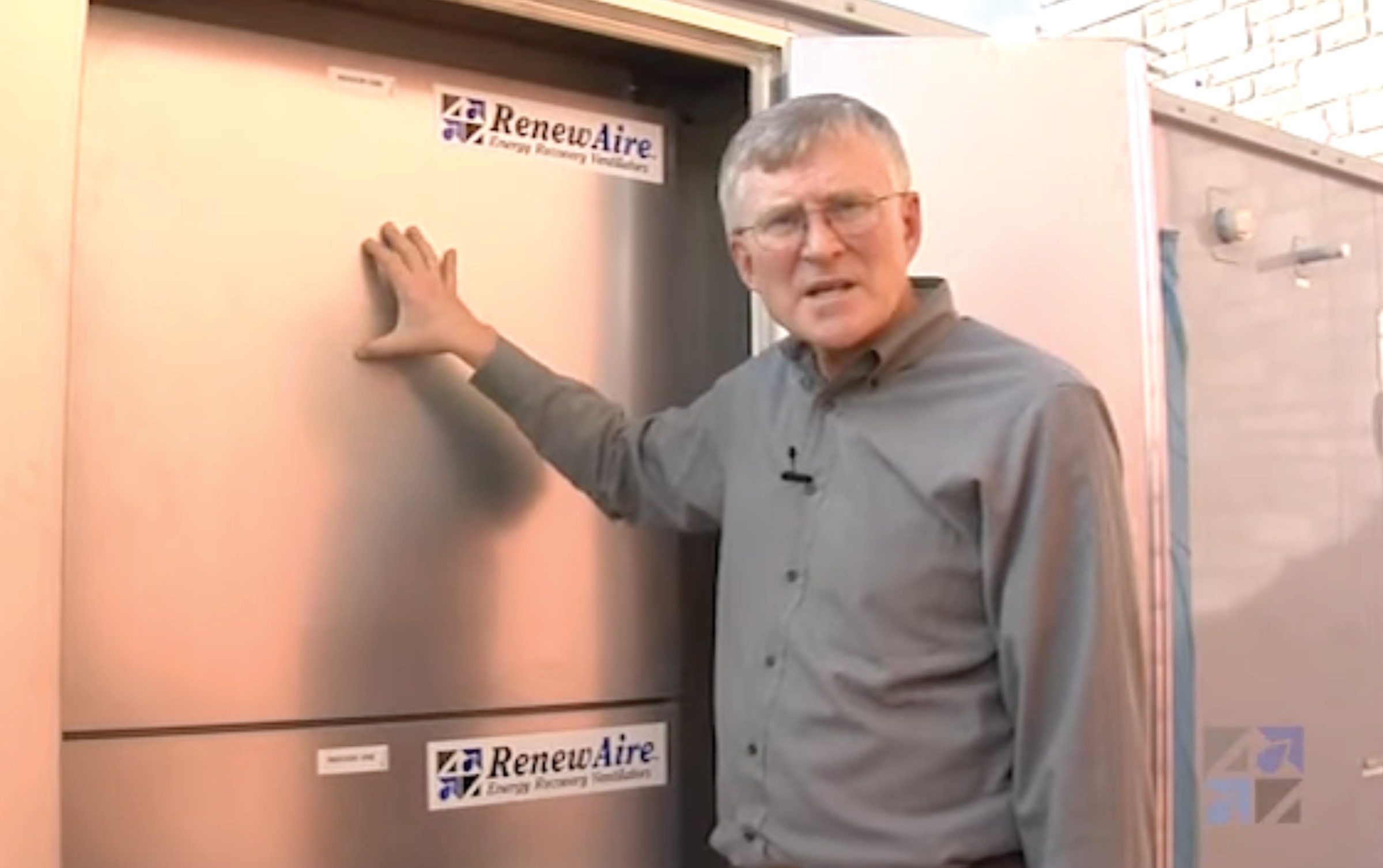
Resolving the conflict between strict code compliance and soaring utility bills requires shifting away from energy-intensive, conventional HVAC designs. RenewAire energy recovery ventilators (ERVs) provide a sustainable, engineered solution by delivering balanced, 100% fresh and filtered outdoor air to replace stale, contaminated indoor air. Our systems achieve this without overworking central heating and cooling infrastructure.
By utilizing a static-plate core that physically separates incoming and outgoing airstreams, RenewAire ERVs eliminate the risk of cross-contamination while satisfying ASHRAE 62.1 requirements. Instead of venting costly conditioned air directly outside, our systems recycle up to 70% of the heating or cooling energy from the exhaust airstream. This captured energy preconditions incoming fresh air. Consequently, schools can achieve optimal air-exchange rates without facing a severe energy penalty.
How ERVs Benefit Schools
- Drastically Reduced Operating Costs: K–12 school districts across the United States spend nearly $8 billion annually on energy costs. These utility demands frequently strain school budgets. RenewAire ERVs help mitigate this financial pressure. By recycling otherwise wasted exhaust energy to precondition incoming fresh air, our systems lower net HVAC energy loads by up to 70%.
- Optimized Student Performance & Attendance: With enough controlled fresh and filtered outdoor air introduced to replace equal parts of stale indoor air through balanced system design, healthier learning environments can be achieved. Industry research links improved IAQ with reduced student absenteeism, better health, and higher standardized test scores.
- Protects Classrooms from Viral Spread: Close contact in schools accelerates the spread of viruses like flu, RSV, and coronavirus. To combat outbreaks, the EPA recommends pairing strong air filtration with increased outdoor air exchange. RenewAire ERVs make this protective, ventilation strategy affordable. Our systems continuously bring in fresh outdoor air to dilute and flush out airborne pathogens from crowded classrooms permanently.
The RenewAire HE10 ERV
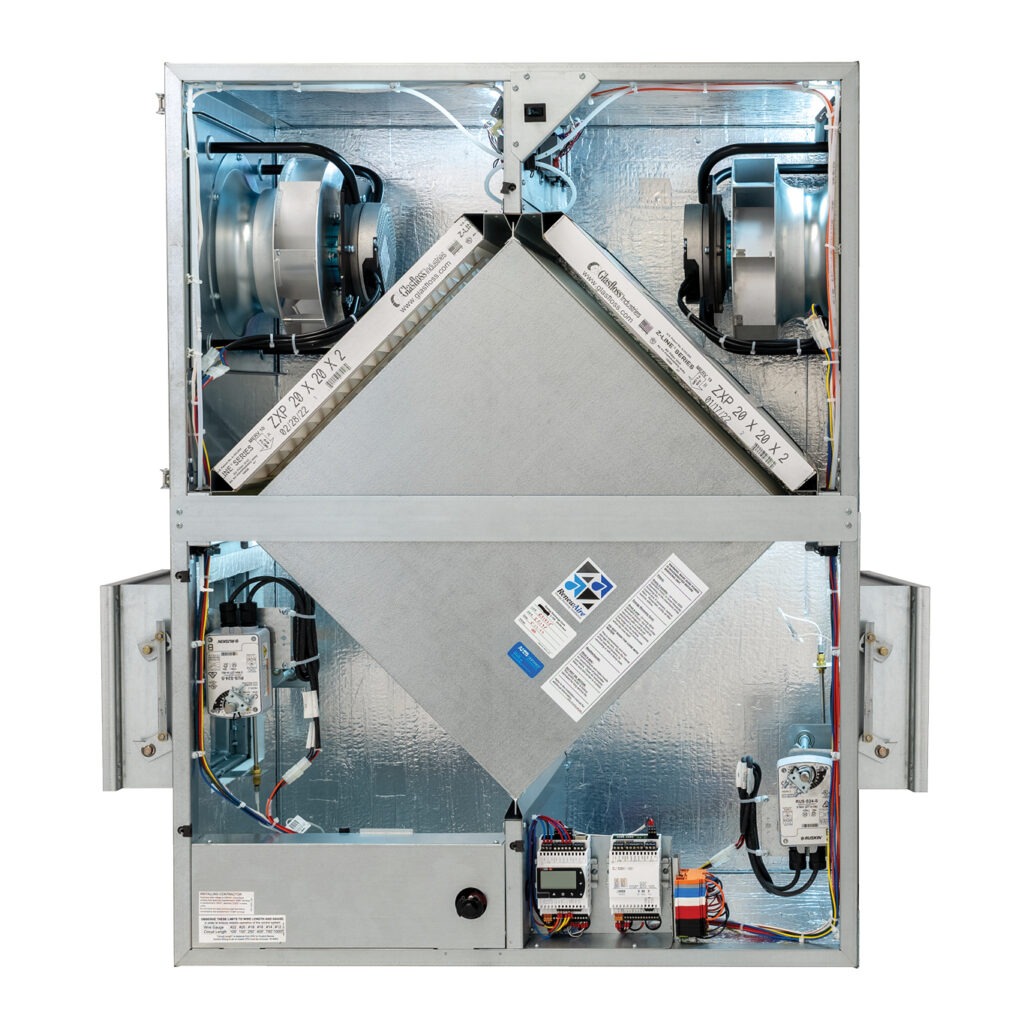
Our HE10 ERV is perfect for any new-construction or retrofit school project. It can be installed as an indoor or rooftop unit and offers commercial IAQ solutions with a CFM range of 250–1,100.
- AHRI 1060 Certified: This certification ensures an industry-leading, low-to-zero Exhaust Air Transfer Ratio (EATR). This strict airstream separation guarantees that cross-contamination is never an issue.
- Rigorous Safety Standards: The core delivers superior flammability performance, successfully passing both UL-723 and UL-1812 testing standards.
- Reliable Year-Round Operation: Engineered for trouble-free performance, the unit operates consistently across all climates with minimal maintenance requirements.
- Industry-Leading Warranty: RenewAire backs the static-plate core with a 10-year structural and performance warranty, complemented by a standard two-year commercial warranty on parts.
Proven Success: Birdville School
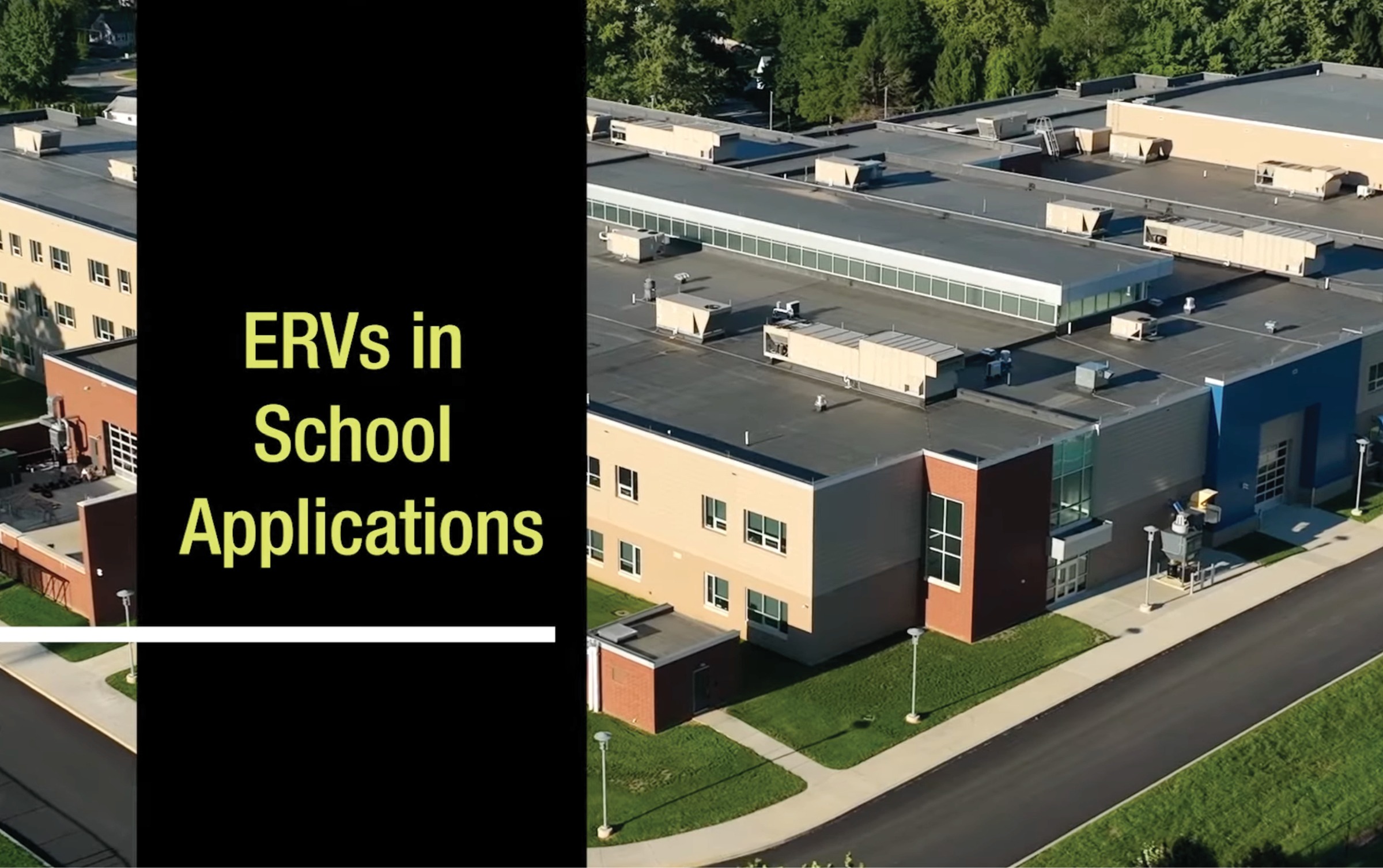
Birdville School faced a complex HVAC upgrade due to its 300,000-square-foot campus and diverse learning environments, each with unique ventilation demands. By installing RenewAire ERVs, the school was able to:
- Cut energy costs by 40%
- Double ventilation rates to improve IAQ
- Reduce HVAC noise levels
These improvements earned Birdville School the National School Boards Association’s Outstanding Use of Technology System award.
School Ventilation Resources Downloads
Browse our library of case studies, white papers, blogs, and videos. See real-world examples of how schools reduce energy costs while increasing ventilation to improve classroom IAQ using RenewAire ERVs.
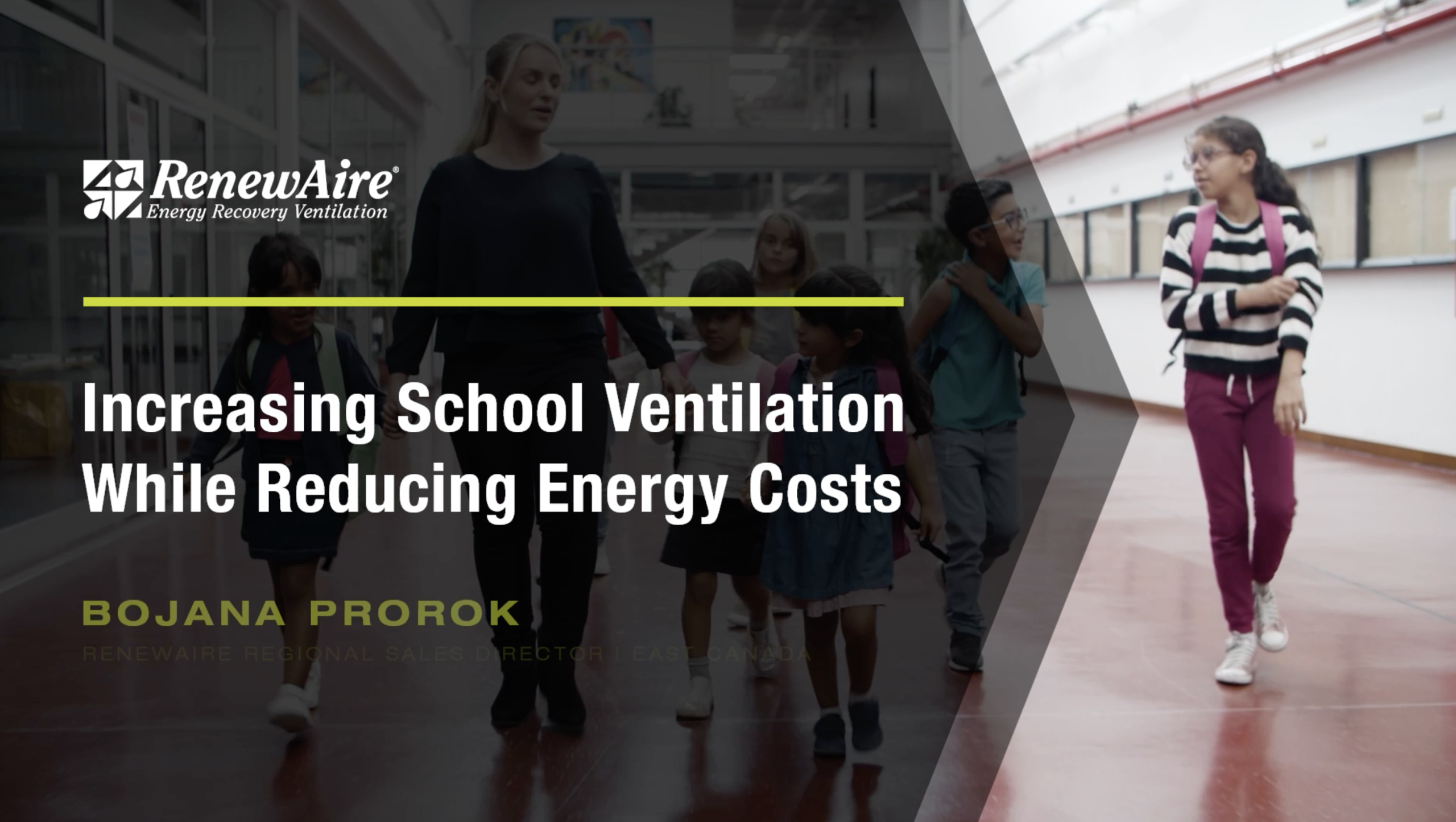
Case Studies
Boarding school takes on COVID-19 and reopens with the help of RenewAire ERVs.
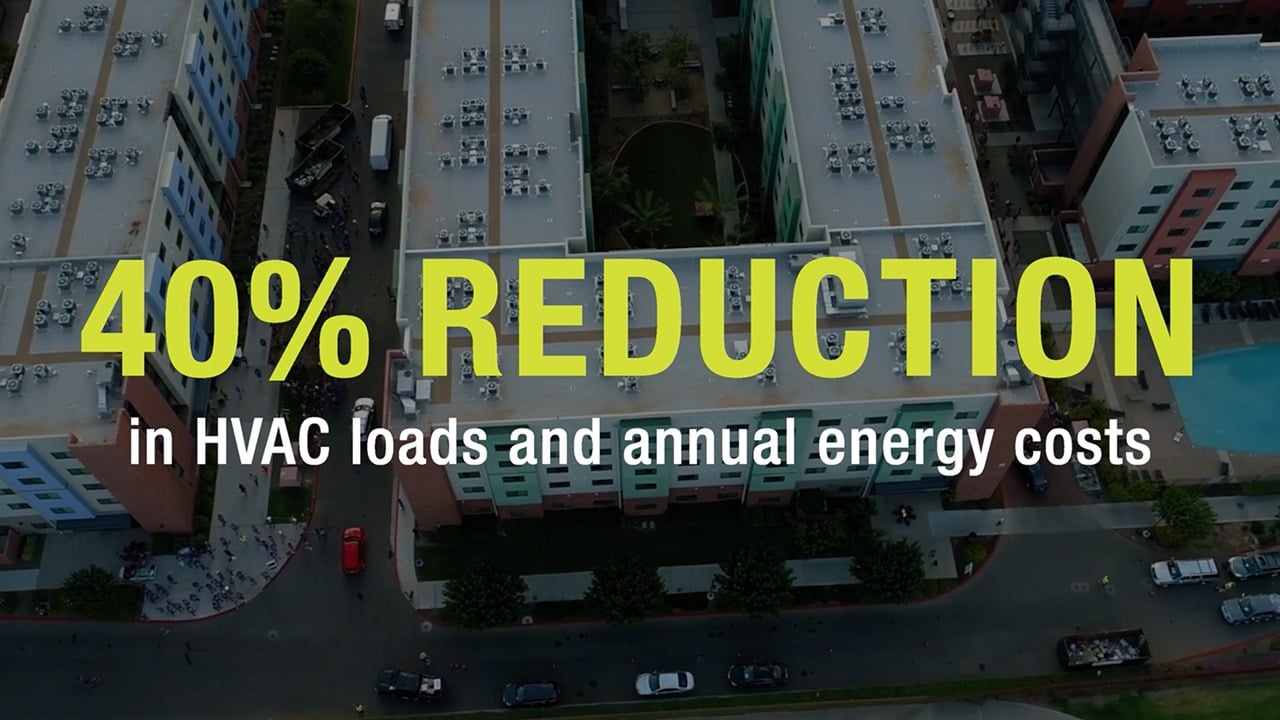
RenewAire ERVs reduce Grand Canyon University’s annual HVAC costs by 40% compared to conventional equipment.
To attain net-zero status and save energy, the Bosage Family Education Center at the Coastal Maine Botanical Gardens installed RenewAire energy recovery ventilators (ERVs).
Birdville School installed a ventilation system by pairing a Trane system with RenewAire ERVs. The updated system resulted in 40% less energy used in the school.
White Papers
White paper discussing how deficient indoor air quality (IAQ) in schools can be solved with energy recovery ventilation, improving the health and performance of students.
Blogs
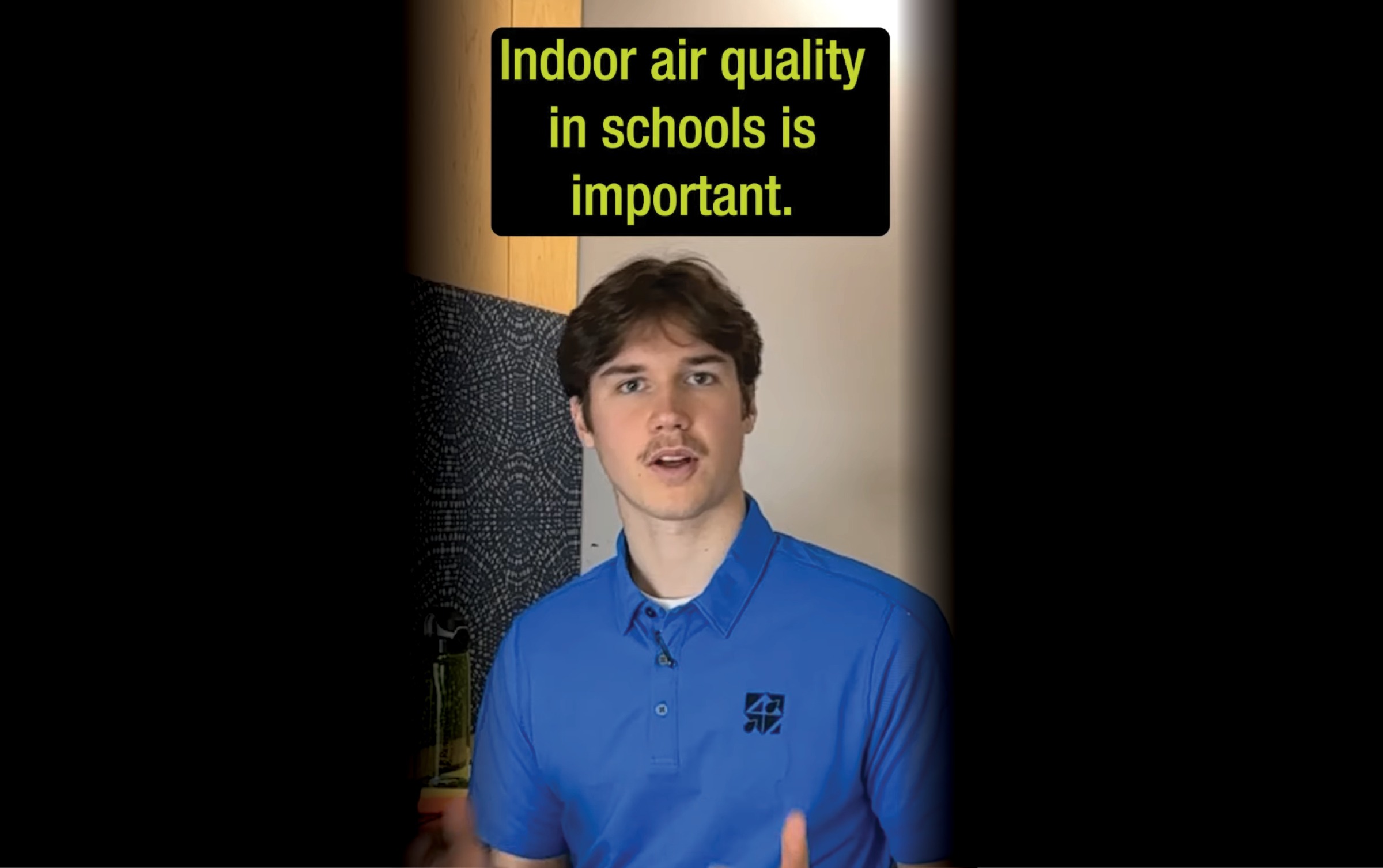
Schools that upgrade their HVAC systems to increase ventilation have experienced better student behavior and improved learning outcomes
Indoor air quality in classrooms can impact student health, behavior, and test scores. Proper ventilation can reduce absences, boost focus, and improve learning.
Increasing ventilation via ERVs can enhance indoor air quality (IAQ) in K-12 schools effectively and efficiently, thus improving the health of students and staff.
Significant public funds are available for K-12 schools in North America to implement energy-efficiency upgrades. Energy-efficient HVAC and ventilation projects are highlighted as qualifying solutions
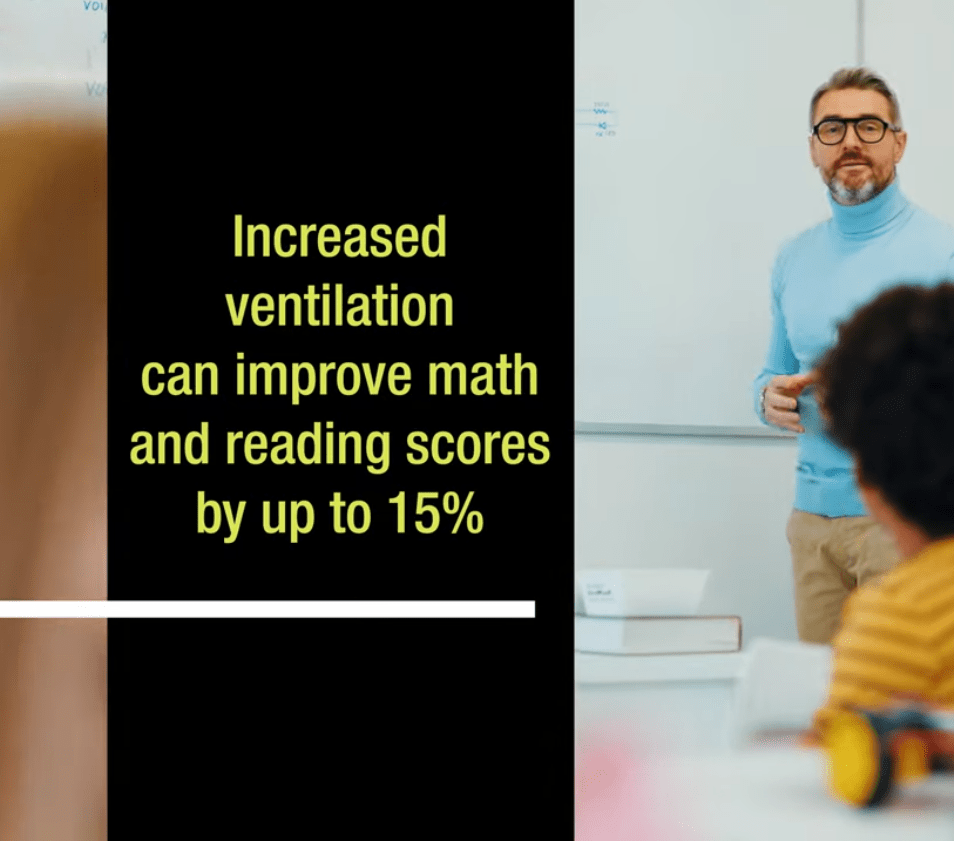
Enhancing indoor air quality in K-12 schools significantly boosts academic performance, including higher cognitive scores and lower absenteeism.
Increasing ventilation via ERVs can enhance indoor air quality (IAQ) in K-12 schools effectively and efficiently, thus improving the health of students and staff.
Cleaner and healthier indoor air achieved via energy recovery ventilation improves the health, cognitive function, productivity and wellbeing of school occupants School buildings are extremely
RenewAire®, a manufacturer of HVAC and indoor air quality (IAQ) products, introduced a factory-installed bypass economizer option for its HE Series’ HE07, HE10, and HE1.5X
What Questions Can We Answer?
Our Technical Sales Support team is here to answer any additional questions you might have about installing an HE10 ERV in your school or to assist you in finding the RenewAire Representative in your area.
Frequently Asked Questions (FAQs)
Should schools increase their ventilation rates?
Yes. Increasing the ventilation rate is a key strategy for improving indoor air quality (IAQ) in educational facilities. Higher ventilation rates effectively dilute and remove indoor pollutants, including VOCs, CO2, and airborne pathogens like viruses and bacteria.
By prioritizing increased airflow, schools can provide a healthier environment for students and staff. Enhanced IAQ has been shown to support better respiratory health and improved cognitive performance.
How many air changes per hour (ACH) are required for a school?
Because school environments range from classrooms to gyms to cafeterias, air changes per hour (ACH) vary by the specific use of each space. However, requirements and recommendations are established by several leading organizations to create a healthy learning environment in the school.
ASHRAE Standard 62.1-2022: This is the benchmark for ventilation compliance by establishing minimum outdoor air rates. These rates are calculated to effectively dilute indoor pollutants and maintain occupant comfort, based on the space’s specific use.
Can poor ventilation in schools cause facility issues?
Yes. Without proper ventilation in schools, higher moisture levels can become trapped, leading to mold growth, moisture-related structural damage, and excessive dust accumulation. This lack of ventilation results in increased maintenance costs, reduced equipment efficiency, and costly long-term repairs to the building envelope and HVAC systems.
Which ventilation system is better: mechanical or natural?
Mechanical ventilation is a more reliable and effective solution than natural ventilation. It actively filters outdoor air pollutants, ensuring consistent airflow and maintaining comfortable indoor temperatures regardless of weather conditions.
Can an ERV be installed with an existing HVAC system?
Yes. RenewAire ERVs are designed for flexibility and can be installed in virtually any educational facility—whether in new construction or as a retrofit for an existing building.
Because every space has a unique layout and ventilation needs, we recommend consulting experts to find the perfect fit. To learn which RenewAire unit is best for your specific facility, contact your local RenewAire sales representative.
What is the typical payback period for an ERV?
Most schools can see a payback period of less than two years after installing a RenewAire energy recovery ventilator (ERV). This is possible because the ERV preconditions the incoming air by transferring both energy and humidity from the outgoing air. This allows the school’s HVAC system to work less and deliver sustainable long-term operational savings.
To see the full financial breakdown of how energy recovery impacts your bottom line, download our white paper on Calculating the Net Present Value (NPV) of ERVs.
How do CO2 levels impact a classroom?
High levels of carbon dioxide (CO2) negatively affect students’ cognitive function, decision-making, and academic performance. CO2 buildup is an indicator of poor ventilation, signaling that stale air and pollutants are trapped indoors. By increasing ventilation, high CO2 levels will be reduced, improving the indoor air quality (IAQ) for both students and staff.
How can schools stop the spread of common respiratory viruses?
The Environmental Protection Agency (EPA) recommends a multilayered approach of increased ventilation and filtration to reduce the spread of respiratory viruses. Using an energy recovery ventilator (ERV) to bring in more outdoor air helps to dilute and remove airborne virus particles from classrooms.