
Little Village Learning Center
Little Village Learning Center used RenewAire ERVs to eliminate mold with improved IAQ, and lower indoor relative humidity to 35% or below.

Originally published September 20, 2017 | Last updated: April 17, 2026
At a Glance
Project:
- Little Village Learning Center in Salem, Oregon
Building Type: 7,000 sq. ft. preschool facility
Location:
- Salem, OR
Industry:
- Daycare Facility
RenewAire ERVs Installed:
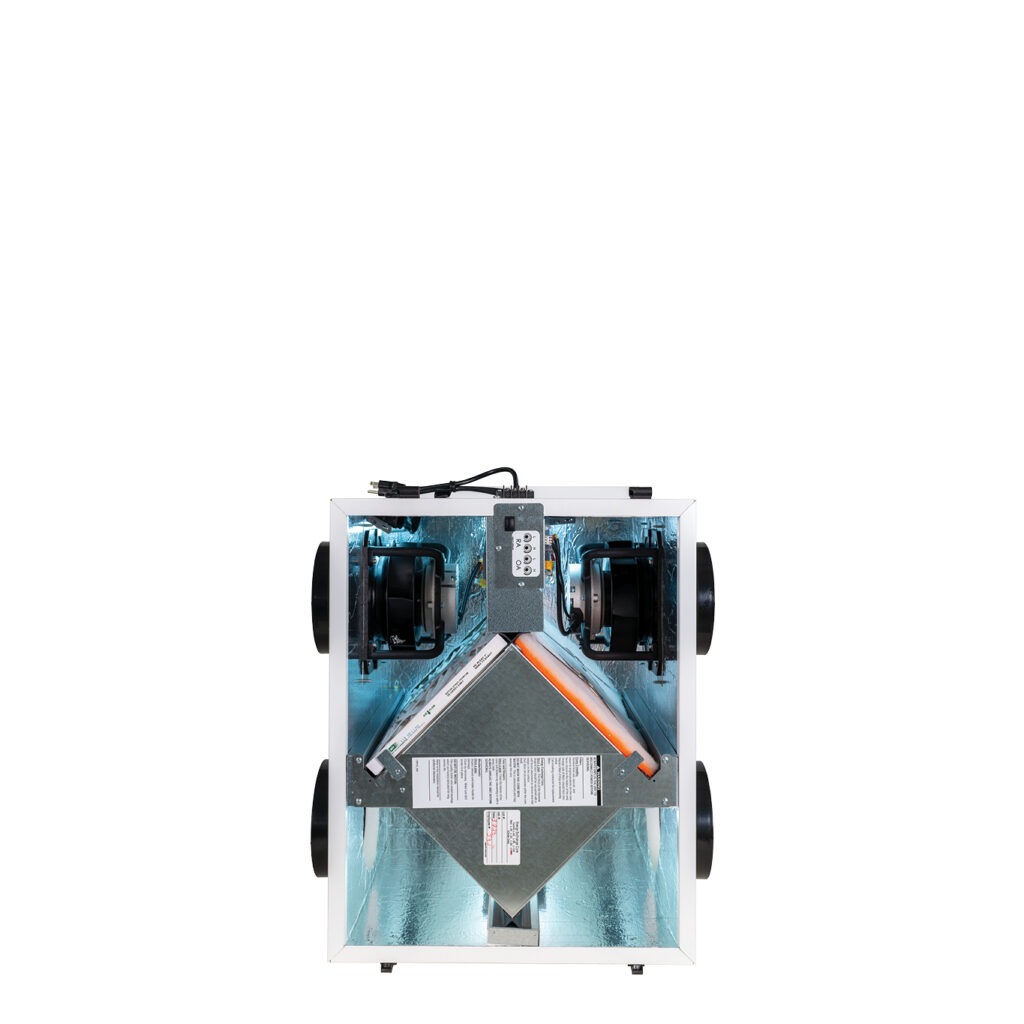
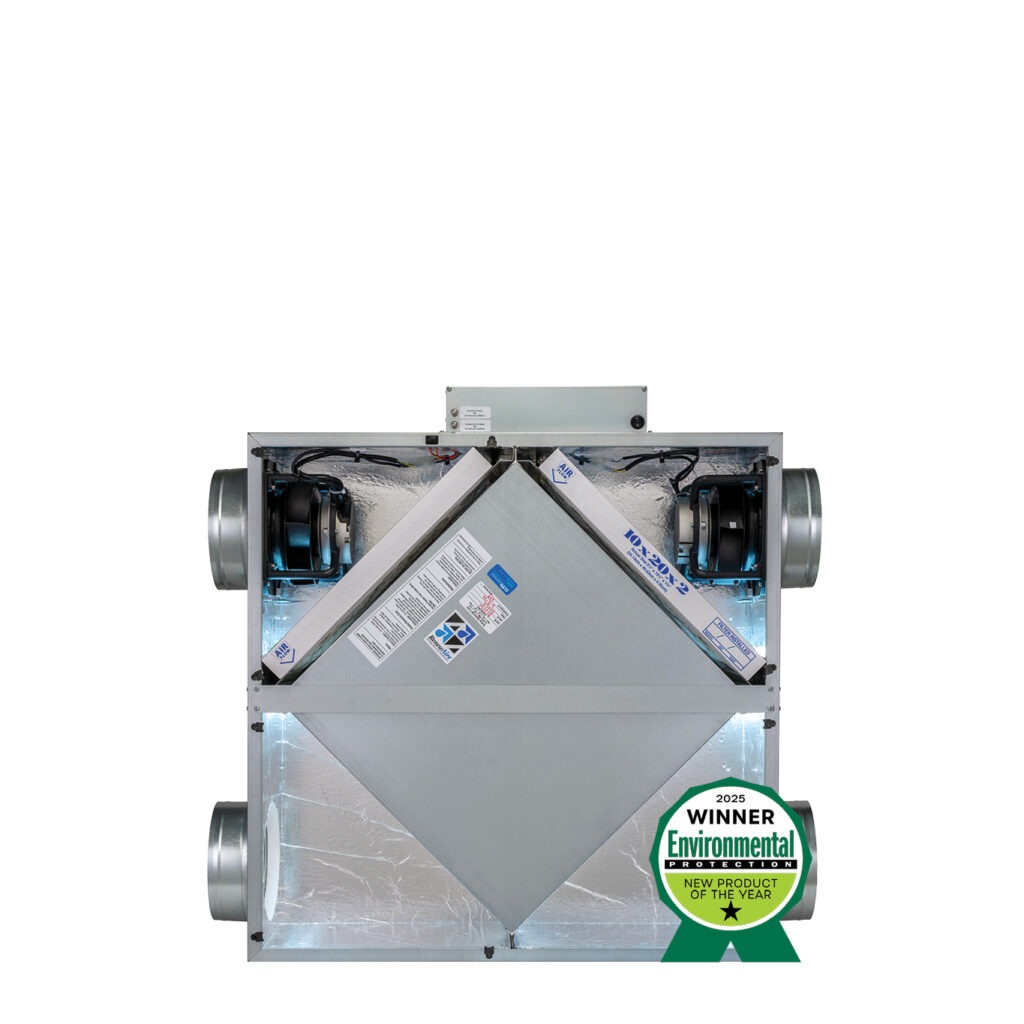
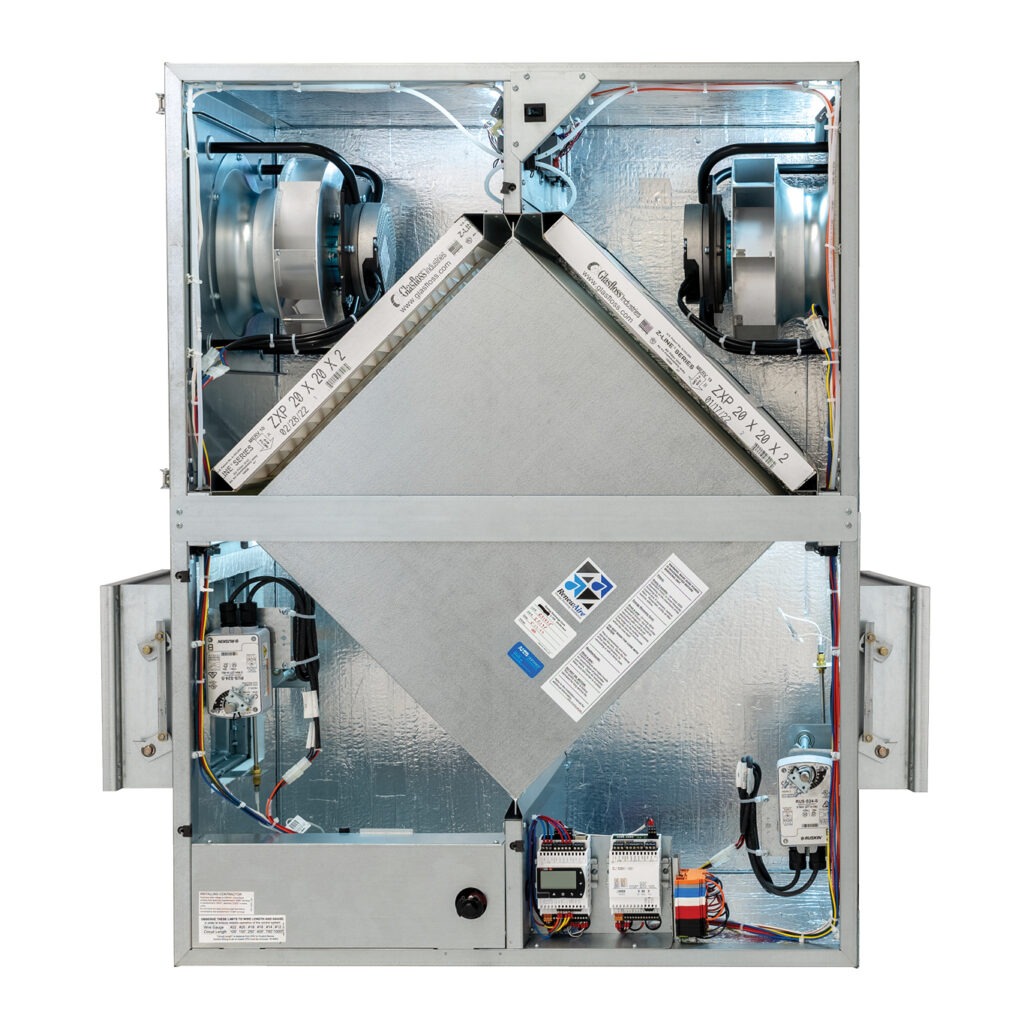
- RenewAire ERV: EV300
Key Outcomes:
Stopped recurring mold growth on ceilings and walls
Healthier indoor air quality (IAQ)
Reduced indoor relative humidity to 35% or below
Improved occupant health and reduced respiratory issues
Lowered heating costs with high-efficiency energy recovery
Challenges
Humidity trapped indoors causing mold growth
Lack of ventilation causing poor indoor air quality (IAQ) leading to health concerns and spread of germs
High moisture outdoor environment
An installation that allowed the center to remain operational during peak hours
Overview
A Hidden Priority In Childcare
When selecting a daycare provider, parents weigh dozens of factors such as curriculum, staff credentials, cleanliness, and nutrition plans. Air quality, however, is rarely at the top of the list. Yet, as the team at Little Village Learning Center in Salem, Oregon, learned, the air children breathe plays an important role in their health, wellness, and development.
Why IAQ Matters For Children
IAQ refers to the air quality within buildings, and how it can affect occupant health and comfort. For a preschool program, the stakes are much higher. Children are particularly vulnerable to poor IAQ because:
Developing Systems: Their lungs and immune defenses are still growing and less developed than those of adults.
Higher Intake: Children breathe more rapidly, breathing in a larger volume of air relative to their size.
Increased Risk: Poor air quality can increase the risk of adverse respiratory effects in children by 30–50%.
The Turning Point At Little Village Learning Center
After serving Salem families for decades, the Little Village Learning Center faced a serious problem as its facility lacked proper ventilation. This problem caused indoor humidity to skyrocket, trapping bacteria and germs within the center.
As a result, the rooms felt more than just “stuffy.” The air became a breeding ground for black mold. This led to health concerns for both children and staff, including chronic coughing, wheezing, and skin irritation. To fix this, the center needed a solution that would stabilize the environment without disrupting its daily operations.
Ventilation Challenges
The Environmental Challenge: A “Perfect Storm” For Mold
The locations of Little Village Learning Center played a major role in its IAQ struggles. For example, Salem, Oregon’s average annual precipitation is around 40″ of rain a year. Because of this wet climate, the area is a natural spot for mold and mildew growth. Since mold flourishes in environments where moisture is allowed to build up.
Specific to Little Village Learning Center, the lack of ventilation combined with the climate conditions led to these facility issues:
High Humidity: The high outdoor humidity helped create an environment in which the indoor relative humidity at the ceiling reached nearly 100%. This far exceeds the EPA-recommended 30% to 50% range required for a healthy building.
Mold Growth: Substantial condensation at the ceiling created an environment that allowed mold to grow. As a result, it made it difficult to clean the surfaces.
Health Concerns Due to the Spread of Germs: The facility lacked adequate ventilation to dilute and refresh the indoor air. Because of this, employees and children experienced increased respiratory problems and frequent illnesses.
Compounding Factors: The Preschool Environment
The daily operations of a preschool created internal “moisture load” that a standard HVAC system was not designed to handle. For example, significant body heat and respiratory moisture from children and staff generated was quickly absorbed by daycare essentials like blankets, stuffed animals, and carpets.
Because these items act as “sponges,” they trap extra humidity along with bacteria, germs, dust mites, and other indoor allergens. Since children breathe faster and inhale more relative to their size than adults, the presence of these trapped allergens transitioned from a simple maintenance task to a critical health priority.
To protect its community, the center needed a way to flush out these indoor contaminants and replace them with fresh, filtered air.
Solution
Sustainable High-Volume Ventilation
To protect the health of its students and staff, Little Village Learning Center partnered with Lyons Heating and Cooling to implement a ventilation strategy using RenewAire energy recovery ventilators (ERVs). The primary goal was to drastically increase the exchange of indoor air to remove the stagnant conditions where mold and germs grew.
Increasing ventilation indoors is the key to diluting harmful contaminants like mold, humidity, volatile organic compounds (VOCs), and bacteria. However, this usually means increasing energy use. This happens becasuse traditional ventilation systems often lead to higher utility bills because heating systems struggle to warm cold, incoming winter air.
To solve this, RenewAire ERV uses a static-plate, cross-flow core to make high-volume ventilation more cost-effective. This core separates the polluted outgoing indoor air from the incoming fresh airstreams while transferring energy and humidity between them. This “pre-conditions” the fresh outdoor air, allowing the facility to meet strict IAQ standards and building codes without a significant spike in energy costs.
To further provide total climate control and improve indoor air quality, Little Village Learning Center’s ventilation system added:
Automated Humidity Management: A dehumididistat was installed to measure indoor relative humidity constantly. As a result, the system automatically activated to ensure levels stay at or below 30%.
Targeted Air Purification: The installation included a Trane Perfect-Fit Electronic Air Cleaner and Honeywell ultraviolet smart lamps. Together, these worked to neutralize airborne mold spores and remove fine particulates from the airstream.
Seamless Implementation: The quick installation of the RenewAire units allowed Lyons Heating and Cooling to complete the project overnight during a holiday weekend. This meant there was zero downtime for the families the center serves.
Results
A Healthy Foundation For Learning
In the end, the RenewAire ERV transformed the facility by addressing the black mold growth. With the system in place, the center successfully managed indoor moisture levels. As a result, the windows, walls, and ceilings dry even during periods of heavy external humidity. Most importantly, the energy recovery ventilation removed lingering odors and dampness. By doing so, it created a much healthier space where children can safely grow and learn.
Frequently Asked Questions (FAQs)
How does indoor air quality (IAQ) affect children in childcare settings?
Children are more susceptible to poor IAQ than adults due to their developing respiratory, immune, and neurological systems. They breathe more air relative to their body size and spend more time near the floor, where heavier pollutants and dust accumulate.
Exposure to poor IAQ in childcare settings is linked to health problems, cognitive impairment, illness transmission, and absenteeism.
How does increased ventilation help prevent the spread of germs and illnesses in daycare facilities?
Maintaining proper indoor air quality is a legal requirement for daycare facilities. Building codes mandate specific air exchange rates to keep the environment safe for children and staff.
RenewAire energy recovery ventilators (ERVs) provide a reliable, year-round solution for increased ventilation. They exhaust polluted indoor air and volatile organic compounds (VOCs), such as germs, from the facility to improve overall IAQ.
Learn more about how much ventilation is enough to reduce the amount of VOCs in the air.
Can an ERV eliminate recurring mold growth in childcare facilities?
ERVs can help manage mold growth indoors. Because mold thrives in quiet corners where moisture and stagnant air linger, a RenewAire ERV provides the constant air movement and moisture balance necessary to discourage it.
Instead of letting damp, heavy air settle, the ERV works behind the scenes to:
- Balance Humidity: The ERV’s core helps stabilize indoor moisture levels year-round. It helps pull excess humidity out of the air during muggy summer months and maintains a gentle balance during the winter to keep surfaces from becoming damp.
- Refresh the Space: By continuously replacing stale indoor air with filtered, preconditioned outdoor air, the ERV discourages the stagnant conditions mold needs to grow.
- Protect the Little Ones: This consistent exchange helps keep the facility feeling fresh and dry, creating a more comfortable, breathable space for both children and staff.
Can any childcare facility install an ERV?
Absolutely! RenewAire ERVs are designed for flexibility and can be installed in virtually any childcare facility—whether it is new construction or a retrofit application for an existing building.
Because every space has unique layouts and ventilation needs, we recommend connecting with experts to find the perfect fit. To learn which RenewAire unit is best for your specific facility, contact your local RenewAire sales representative.
Where can I buy a RenewAire ERV?
RenewAire ERVs are available through our extensive network of authorized HVAC distributors and local representatives across the United States and Canada.
Because proper sizing and professional installation are key to maximizing your energy savings and air quality, our partners are there to provide expert guidance. They will help you select the right unit for your specific building and coordinate a successful installation.
Ready to get started? Find your local RenewAire representative here.
How does ERV technology help daycare facilities meet ASHRAE 62.1 standard?
ASHRAE 62.1 is the industry standard that defines the minimum ventilation rates required to maintain acceptable indoor air quality (IAQ) in commercial buildings. For childcare facilities, meeting these specific levels is vital for creating a healthy environment for children and staff.
RenewAire ERVs make it easier to meet this standard by:
- Delivering Fresh Air: The units provide a continuous supply of preconditioned outdoor air to meet the precise volume requirements set by ASHRAE for various space types.
- Diluting Pollutants: This constant exchange helps lower the concentration of indoor contaminants, such as CO2 and particulate matter (PM2.5), by replacing stale air with filtered outdoor air.
- Managing Cross-Contamination: The static-plate core technology allows for a high exchange of fresh air while keeping the incoming and outgoing airstreams separate, supporting the IAQ goals outlined in the standard.
Recent Case Studies

[loop_index]
Municipal: Prairie du Sac Town Hall
[loop_index]
Public Safety: Wasilla Police Station