
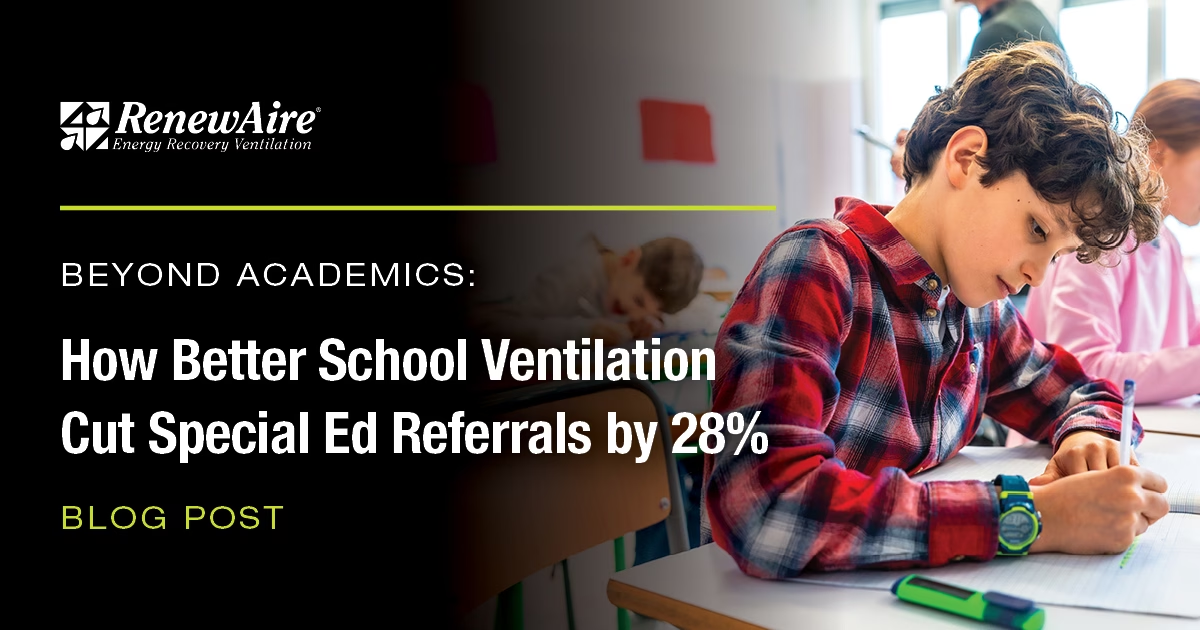
Schools that upgrade their HVAC systems to increase ventilation have experienced better student behavior and improved learning outcomes.
Christine Willing has more than seven years of experience working as a school psychologist within the education system and is the CEO of Think Happy Live Healthy. In this blog post, she discusses her experience on how indoor air quality (IAQ) can affect students’ behavior, attention, and emotions. Willing observed that when schools upgraded their HVAC systems to increase ventilation, student behavior and learning outcomes improved.
Christine Willing – CEO, Think Happy Live Healthy / School Psychologist
As a Licensed School Psychologist with 7+ years in the Prince William and Fairfax County school systems, I’ve observed that air quality significantly affects student behavior and learning outcomes. In poorly ventilated classrooms, I consistently observed 40% more behavioral referrals and attention-related issues during my psychological evaluations.
The connection between air quality and executive functioning is striking. Students assessed in newer buildings with proper ventilation systems scored significantly higher on attention and working memory tasks than those in older facilities. One middle school I observed saw a 28% reduction in ADHD-related accommodations following their HVAC upgrade.
What surprised me most was the impact on emotional regulation. In stuffy, poorly ventilated classrooms, students showed increased anxiety symptoms and had more difficulty with social interactions during my crisis interventions. Teachers also reported fewer meltdowns and improved peer relationships once air circulation improved.
The psychological testing data was clear – students in well-ventilated environments demonstrated better cognitive flexibility and processing speed. This directly translates into improved academic performance and fewer special education referrals, which saves districts significant resources while supporting student success.